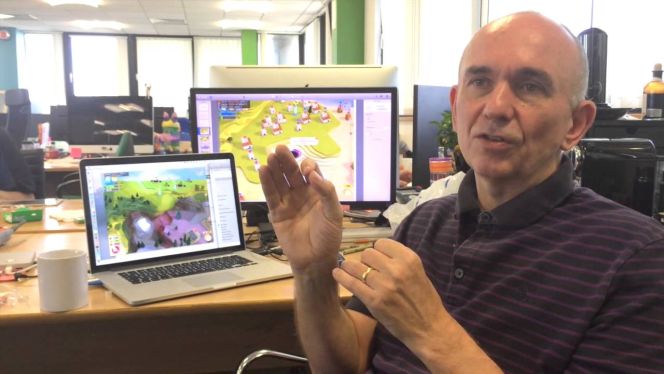
Peter Molyneux made promises that didn’t just stretch reality—they snapped it. His name once stood for innovation, for revolutionizing PC gaming with titles like Populous, Dungeon Keeper, and Fable. But behind the accolades and TED Talks lies a different story: one of investors burned, fans betrayed, and developers disillusioned. The legacy of Molyneux isn’t just measured in game sales—it’s measured in lost trust, wasted capital, and the careers derailed by overhyped ideas that never shipped.
This is the untold cost of believing too much in a visionary.
The Rise of a Visionary—And the First Warning Signs
In the 1990s and early 2000s, Peter Molyneux was the tech world’s rockstar. His studio, Lionhead, was acquired by Microsoft in 2006 after the success of Fable, a game that promised morality-driven choices in an open fantasy world. Critics praised its ambition, even if the execution fell short. That gap—between promise and delivery—became a pattern.
By the late 2000s, Molyneux was making bold claims in interviews and keynotes: games that would “change lives,” AI so advanced it would “feel like a living god.” Journalists lapped it up. Gamers believed. Publishers funded.
But reality had a different script.
Godus: The Crowdfunding Campaign That Promised Too Much
In 2012, Molyneux launched a Kickstarter for Godus, a spiritual successor to Populous. The pitch was intoxicating: a god game where players shaped civilizations in real time, guided by an AI “prophet” that learned from them. It promised procedural worlds, emotional AI, and multiplayer colonies—all for a $700,000 goal.
It raised over $870,000 from 17,000 backers.
But Godus shipped nothing like the demo. The early access version in 2013 was a crude, minimalist prototype—more spreadsheet than simulation. Animations were placeholder, features missing, and the much-touted AI was rudimentary at best. Backers felt misled.
One investor, a software engineer from Bristol, put in £75 for a “Founder’s Pack.” He expected alpha access, design input, and a finished game in 12 months. Five years later, Godus still lacked multiplayer, the AI was barely functional, and the promised “scrolling world” was a joke. “I didn’t care about the money,” he said. “It was the time I lost following updates that never came.”
The Backers Who Paid
With Trust
It wasn’t just the cash. It was the emotional investment.
Consider Godus War, the abandoned multiplayer offshoot. Funded through additional in-game purchases and stretch goals, it was meant to be the centerpiece of Godus. Instead, it became vaporware. Players who bought “divine powers” as microtransactions—some spending hundreds—got nothing but broken promises.
A Canadian backer, Mark T., spent $250 across early access tiers and add-ons. “I believed in the vision,” he said. “But after two years of silence, then a half-baked update, I realized: this wasn’t delayed. It was dead.”
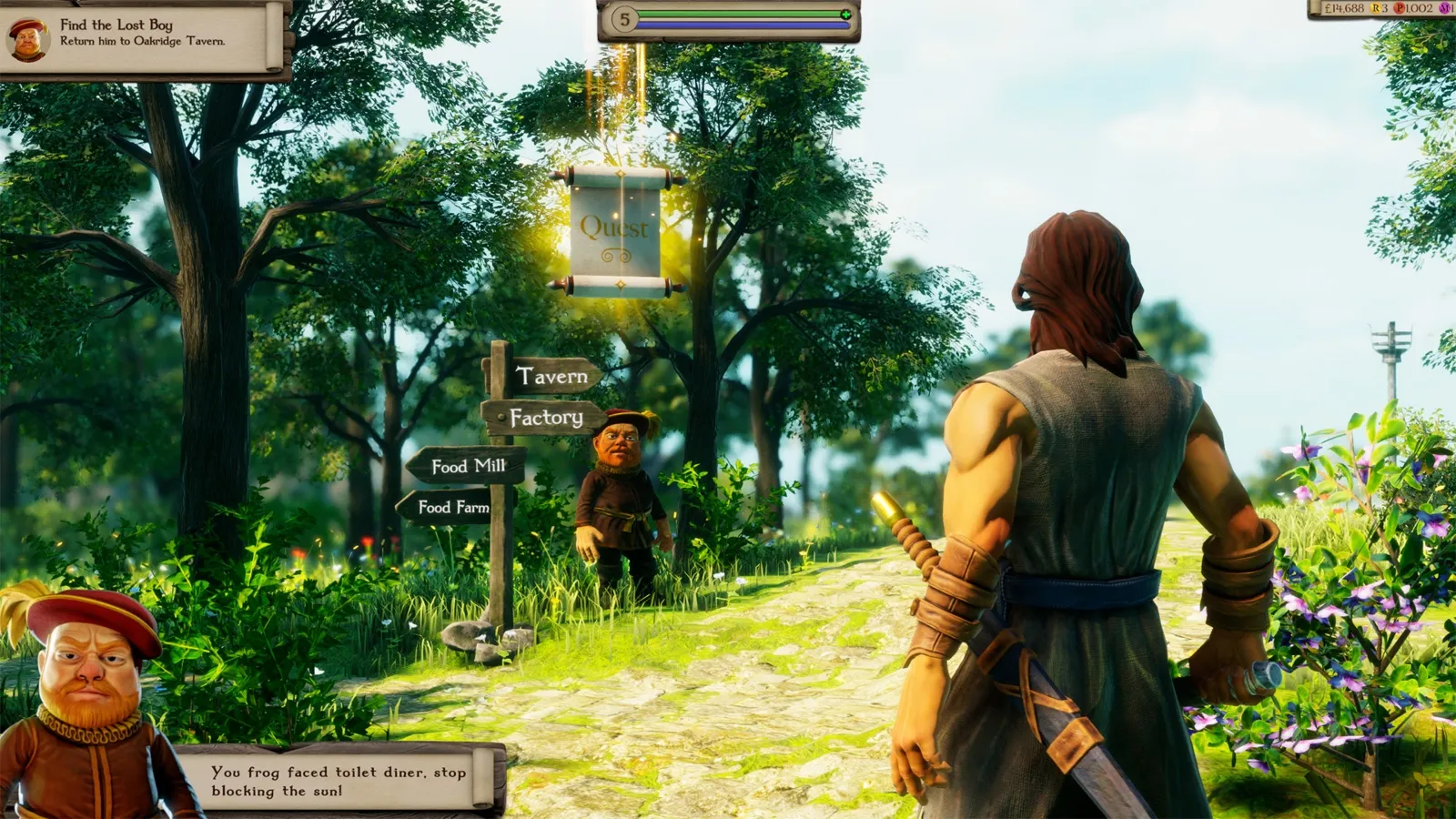
Tens of thousands of backers received a product that never matched the prototype. Steam reviews are littered with one-star complaints calling it “the worst early access scam.”
Developers Trapped in the Hype Machine
The fallout wasn’t limited to players.
At 22cans—the studio Molyneux founded to build Godus—developers say they were caught in a cycle of overpromising and under-delivering. Former employees describe a culture where Molyneux would announce features in interviews before engineers had even discussed them.
One programmer, who asked to remain anonymous, said: “Peter would do a talk at GDC saying we had ‘emotionally intelligent AI’—and we hadn’t even written the pathfinding. Then we’d have to scramble to fake it for demos. It wasn’t sustainable.”
Burnout was rampant. The team shrunk from 20 to just a handful within three years. Some left the industry entirely.
“Working for a visionary sounds cool until you realize you’re cleaning up the wreckage of his imagination,” said a former 22cans artist. “We weren’t making a game. We were managing expectations.”
The Publishers Who Walked Away
Even corporate backers got burned.
Microsoft tolerated Molyneux’s grand promises for years. But after Fable: The Journey—a Kinect-only title widely panned as a cash grab—patience ran out. The final Fable game under Lionhead was a critical and commercial flop.
Insiders say Microsoft lost tens of millions on underperforming Fable titles and the overhead of maintaining Lionhead. When the studio was shuttered in 2016, it wasn’t a surprise—it was a cleanup.
“Lionhead became a liability,” said a former Microsoft gaming executive who worked on the franchise. “Every Fable game after the first underperformed. But because Peter was a ‘name,’ we kept funding. That loyalty cost us.”
Molyneux wasn’t just let go—he was quietly distanced. Microsoft moved on. The Fable IP was later rebooted by a different studio.
The Ripple Effect on Crowdfunding
Godus didn’t just damage Molyneux’s reputation—it hurt the entire crowdfunding model.
After Godus, skepticism grew around indie developers promising “revolutionary” mechanics. Platforms like Kickstarter saw a decline in gaming project success rates. Backers became wary of cinematic trailers with no playable builds.
Compare Godus to Shenmue 3, another high-profile Kickstarter. Both raised millions. But Shenmue 3, despite its flaws, shipped a functional game that matched its pitch. Godus never did.
The lesson? Vision without delivery erodes trust across the ecosystem. When a big name fails, it makes it harder for honest developers to raise funds.
Why Molyneux’s Legacy Is Now a Cautionary Tale
Molyneux himself admitted fault. In a rare moment of candor at the 2015 Games Developers Conference, he said: “I make these grand promises… and I can’t keep them. I’ve let people down.”
But the damage was already done.
Gamers who once admired his creativity now see him as a cautionary figure—a brilliant mind who lost touch with reality. Investors think twice before backing charismatic founders without technical roadmaps. Developers know the cost of hype-driven development.
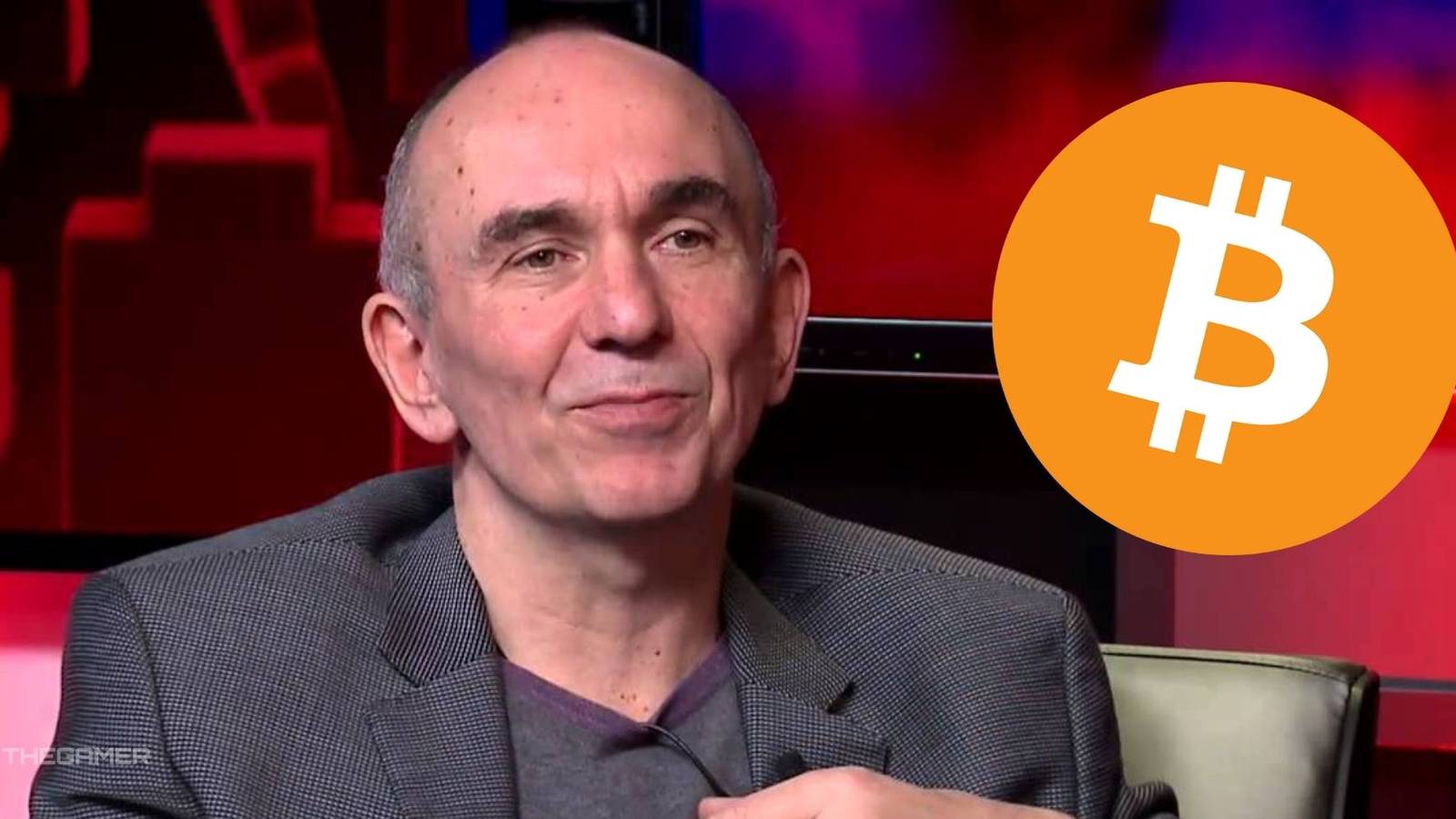
Even his later projects, like Legacy, a blockchain-based god game, were met with skepticism. When 22cans pivoted to NFTs and Web3 in 2021, many saw it as another escape hatch—a new buzzword to mask old problems.
The Human Cost Behind the Headlines
Behind every missed milestone, there’s a person who lost something.
- The teacher in Melbourne who crowdfunded Godus as a classroom tool for game design. The software never supported education features.
- The modder who spent months building tools for Godus’s API—only for the studio to abandon it.
- The journalist who defended Molyneux for years, only to feel complicit when the truth emerged.
This isn’t just about a failed game. It’s about how unchecked ambition, when paired with influence, can create real harm.
Some losses were financial. Others were emotional. All were preventable.
What the Industry Learned—And What It Still Ignores
The Molyneux saga taught studios to under-promise and over-deliver. Look at Hades or Outer Wilds—games that built hype through consistent, honest updates. No TED Talks. No divine AI. Just shipping a great product.
But the industry hasn’t fully changed.
We still see founders making wild claims on Twitter. Publishers greenlighting games based on pitch decks, not prototypes. Backers funding projects based on trailers, not track records.
The cycle repeats—just with different names.
The Way Forward: Accountability Over Hype
Vision matters. But execution matters more.
If you’re a developer, don’t let charisma override credibility. Show builds, not concepts. Communicate delays early. Honor your backers.
If you’re an investor, look at delivery history, not presentation skills. A demo beats a keynote.
If you’re a backer, ask: Has this team shipped before? Are they showing progress—or just promises?
Molyneux wasn’t a fraud. He was a dreamer who forgot to build. And in the gap between dream and delivery, real people lost time, money, and faith.
The best tribute to those losses? Learn from them.
Act now: Before backing any crowdfunded game, check the team’s shipping history. Look for playable demos, transparent development logs, and community engagement—not just flashy trailers. Trust actions, not words.
FAQ
Who funded Peter Molyneux’s Godus? Godus was crowdfunded via Kickstarter, raising over $870,000 from 17,000+ backers.
Did Peter Molyneux return the money? No, Molyneux and 22cans did not issue refunds, though the game eventually released in a limited form.
What happened to Lionhead Studios? Lionhead Studios was shut down by Microsoft in 2016 after years of underperforming titles, including Fable: The Journey.
Is Godus playable today? Yes, but it’s a shadow of its promised vision—lacking key features like multiplayer and advanced AI.
Why did investors lose faith in Molyneux? Repeated failure to deliver on ambitious promises, especially with Godus, eroded trust in his ability to execute.
Did any developers speak out about 22cans? Yes, former employees have described unsustainable work culture and pressure to fake features for demos.
What is Peter Molyneux doing now? He’s working on Legacy, a blockchain-based god game, though it faces skepticism due to past failures.
FAQ
What should you look for in Meet the Players Who Lost Big on Peter Molyneux’s Failed Legacy? Focus on relevance, practical value, and how well the solution matches real user intent.
Is Meet the Players Who Lost Big on Peter Molyneux’s Failed Legacy suitable for beginners? That depends on the workflow, but a clear step-by-step approach usually makes it easier to start.
How do you compare options around Meet the Players Who Lost Big on Peter Molyneux’s Failed Legacy? Compare features, trust signals, limitations, pricing, and ease of implementation.
What mistakes should you avoid? Avoid generic choices, weak validation, and decisions based only on marketing claims.
What is the next best step? Shortlist the most relevant options, validate them quickly, and refine from real-world results.