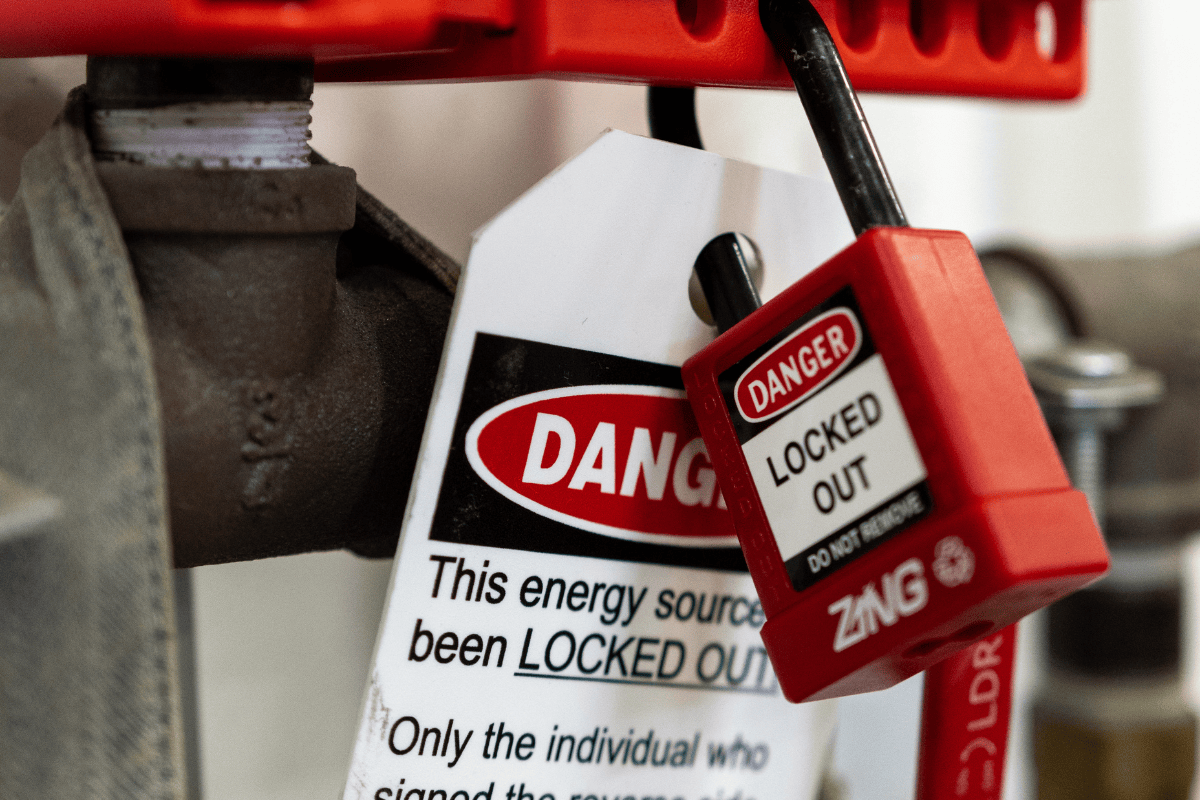
Safety lapses don’t start with disasters—they start with silence. When teams skip routine safety check-ins, hazards go unaddressed, assumptions grow unchecked, and small risks compound into preventable incidents. That’s where toolbox safety talks PDFs come in: compact, actionable, and instantly distributable resources that turn routine moments into safety-critical conversations.
These PDFs aren’t just documents—they’re tools. Used correctly, they standardize communication, reinforce accountability, and ensure everyone on site starts each shift aligned on risk. Whether you’re a safety coordinator, foreman, or project manager, having a reliable library of toolbox safety talks in PDF format is non-negotiable for maintaining compliance and culture.
Below, we break down how to use, source, and customize these resources to fit real-world job site demands.
Why PDF Format Dominates for Toolbox Safety Talks
You’ll find safety talks in Word docs, web apps, and even videos. But the PDF remains the gold standard—and for good reasons.
Portability and consistency: A PDF looks the same on every device. Formatting won’t shift between your laptop and a supervisor’s tablet on a muddy jobsite. That consistency prevents confusion and ensures key messages are delivered clearly.
Offline accessibility: Many worksites have poor or no internet. PDFs can be downloaded once and used anywhere—on pickup dashboards, in trailers, or printed for handwritten sign-in sheets.
Security and version control: Unlike editable files, PDFs prevent accidental changes. You can lock in OSHA-compliant language, approved checklists, and legal disclaimers without risk of tampering.
Print-ready: Need hard copies for sign-in logs or wall postings? PDFs export cleanly to printers and maintain readability even in low-resolution formats.
For teams using digital safety platforms, PDFs still serve as reliable backups. If software crashes or a tablet dies mid-shift, the printed PDF ensures continuity.
Core Topics Covered in Effective Safety Talks PDFs
Not all safety talk PDFs are created equal. High-impact versions focus on actionable, situational content—not broad theory. Here are the most common and critical topics found in top-tier PDFs:
- Hazard recognition: Identifying slip, trip, and fall risks on uneven terrain
- PPE compliance: When and how to wear hard hats, gloves, eye protection
- Ladder safety: The 4-to-1 rule, securing tops and bottoms
- Electrical hazards: Lockout/tagout procedures and overhead line awareness
- Hand and power tools: Inspection, guarding, and safe handling
- Heat stress and hydration: Early symptoms and response steps
- Cold weather safety: Layering, frostbite signs, and warming zones
- Emergency response: Fire extinguisher use, first aid access, evacuation routes

Each topic should include: - A brief scenario (e.g., “A worker climbs a ladder without securing it…”) - Key risks involved - Best practice steps - Discussion questions for team engagement - Sign-off section for attendance tracking
For example, a “Hand Tool Safety” PDF might open with: “Yesterday, a frayed wrench handle snapped during use, sending metal shards toward a worker’s face. The injury could have been avoided with proper inspection.” That real-world anchor makes the content immediate and memorable.
Where to Find Reliable Toolbox Safety Talks PDFs
Many companies waste time rewriting talks from scratch. The smarter move? Leverage existing, vetted resources—then customize for your team.
Here are five trusted sources for downloadable safety talk PDFs:
| Source | Key Features | Limitations |
|---|---|---|
| OSHA.gov | Free, regulation-aligned talks; official credibility | Less visually engaging; minimal customization |
| SafetyNow | Industry-specific templates; bilingual (EN/ES) options | Subscription-based; free samples only |
| Creative Safety Supply | Visual-heavy PDFs with diagrams and checklists | Some topics lack depth |
| HSI (Health & Safety Institute) | Editable fields, quiz questions, tracking logs | Requires account creation |
| SafetyTekk (via Gumroad) | Niche topics like silica dust or trenching | One-time purchase; limited updates |
Many of these offer sample PDFs for free. Download a few, test them in real meetings, and assess clarity, length, and team engagement.
Avoid unreliable forums or random blog downloads. Poorly written talks may miss regulatory requirements or promote unsafe practices—like suggesting gloves near rotating machinery without specifying cut-resistant vs. entanglement risks.
How to Customize Your Own Safety Talk PDFs
Off-the-shelf templates are a start, but real impact comes from relevance. A talk about fall protection on a roofing crew lands differently than for warehouse staff.
- To customize:
- Add site-specific photos: Replace generic images with real shots from your worksite.
- Include location details: Note designated muster points, PPE zones, or hazardous areas.
- Embed team roles: “Supervisors: Verify anchor points. Workers: Inspect harnesses daily.”
- Integrate incident history: Reference past near-misses (anonymized) to reinforce lessons.
- Translate when needed: Provide Spanish or other language versions if your workforce requires it.
Use tools like Adobe Acrobat Pro, Canva, or Microsoft Word (export to PDF) to format cleanly. Stick to: - 10–12 pt legible fonts (e.g., Arial, Calibri) - Bullet points over paragraphs - Icons or hazard symbols for visual scanning - Company logo and safety mission statement
A well-designed one-pager takes 5–7 minutes to deliver—long enough to matter, short enough to hold attention.
Common Mistakes That Undermine Safety Talk Effectiveness
Even with perfect PDFs, poor delivery kills impact. Watch for these red flags:

- Reading verbatim: Turning the talk into a monologue shuts down engagement. Use the PDF as a guide, not a script.
- Holding talks off-site or at the wrong time: Conduct them at the actual work location, just before the task begins.
- Skipping attendance records: No signature log = no proof of compliance during audits.
- Ignoring worker feedback: If crews are silent, ask open questions: “What’s one hazard you’ve seen this week?”
- Repeating the same topics monthly: Rotate content to maintain relevance and interest.
One contractor reported a 40% drop in tool-related injuries after switching from generic handouts to customized PDFs with photo examples from their own sites—and requiring foremen to collect written feedback.
Integrating PDF Talks into Daily Workflows
A PDF is useless if it stays in a folder. Build a system that ensures use:
- Schedule in advance: Assign talks weekly via calendar invites or project management tools (e.g., Monday = Ladder Safety, Wednesday = PPE).
- Assign ownership: Rotate responsibility between supervisors to avoid burnout.
- Store centrally: Use a shared drive or cloud folder labeled “Toolbox Talks – Current Month.”
- Link to permits or JSA: Reference the talk in job safety analyses or work permits.
- Audit usage: Randomly spot-check sign-in sheets and ask workers, “What was yesterday’s safety topic?”
Digital teams might use platforms like SafetyCulture or SiteDocs to push PDFs directly to mobile devices and track completion. But even low-tech setups—printed binders in site trailers—work if consistently maintained.
Measuring the Impact of Your Safety Talks
Compliance isn’t the only goal—behavior change is. Track these metrics:
- Attendance rates: Are all crew members present and signing in?
- Incident trends: Are reportable injuries declining in areas covered by talks?
- Hazard reports: Are workers submitting more near-miss observations?
- Engagement: Are team members asking questions or sharing experiences?
One utility company reduced struck-by incidents by 62% over 18 months by pairing PDF talks on “vehicle blind spots” with site-specific diagrams and mandatory driver briefings.
If your talks aren’t moving the needle, revisit the content or delivery—not just the format.
Five Ready-to-Use Toolbox Safety Talk PDF Templates
Need a starting point? These five topics are universally relevant and easy to adapt:
- Eye Protection Awareness
- Covers grinding, chemical splashes, and proper goggle use. Includes visual of correct fit.
- Ladder Safety: The 3-Point Contact Rule
- Diagrams show hand/foot placement and weight distribution.
- Hand Tool Inspection Checklist
- PDF with tick boxes for cracks, handles, and sharpness—sign-off by user.
- Working Around Excavations
- Highlights trench collapse risks, spoil pile distances, and access routes.
- Hydration and Heat Stress
- Symptoms checklist, water break schedule, and emergency response steps.
Each should be one page, printable front-and-back, with space for site details and signatures.
Toolbox safety talks PDFs aren’t just paperwork—they’re frontline defenses. The best ones are specific, visual, and built for real conversations. Source wisely, customize thoughtfully, and deliver consistently. Your team’s safety doesn’t depend on a single document, but on the daily discipline of using it. Start building your library today—because the next incident might hinge on a talk you haven’t given yet.
FAQ
What should you look for in Toolbox Safety Talks PDF: Practical Guides for Daily Safety? Focus on relevance, practical value, and how well the solution matches real user intent.
Is Toolbox Safety Talks PDF: Practical Guides for Daily Safety suitable for beginners? That depends on the workflow, but a clear step-by-step approach usually makes it easier to start.
How do you compare options around Toolbox Safety Talks PDF: Practical Guides for Daily Safety? Compare features, trust signals, limitations, pricing, and ease of implementation.
What mistakes should you avoid? Avoid generic choices, weak validation, and decisions based only on marketing claims.
What is the next best step? Shortlist the most relevant options, validate them quickly, and refine from real-world results.